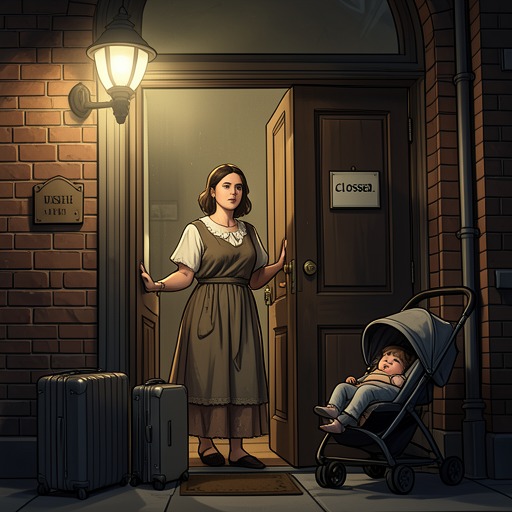
Sugar ends her first marriage
Tiny Beautiful Things: Advice on Love and Life from Dear SugarSugar ends her first marriage by acting on a truth she had spent years resisting: she did not want to remain married, even though parts of her still loved her husband. The decision, which she describes retrospectively in advice to others facing difficult departures, becomes the basis for her insistence that a person must take an enduring desire to leave seriously rather than mistake love for an obligation to stay.
Background and Decision
Sugar recalls several pressures surrounding the marriage: she was young, their apparent compatibility had proved incomplete, and their different class backgrounds fed her resentment. Her writing mattered deeply to her, while her husband’s response to her success was mixed. After her mother died, her stepfather ceased to function as a father to her, leaving Sugar grieving and feeling orphaned at twenty-two. These circumstances help explain the strain, but she ultimately distinguishes them from the decision itself: however many reasons could be named, she had to leave because she wanted to.
Her choice was not an impulsive response to a passing thought. Sugar emphasizes that she had desperately wished not to want the separation and had agonized over it, sharing much of that struggle with her husband. She tried to behave well, but fear and self-sacrifice did not resolve the underlying conflict. Rather than tell him plainly that she wanted out, she had an affair. In her account, this made the eventual break less honest and more damaging than a clean separation would have been.
The Separation
After confessing her infidelity, Sugar and her husband spent about a year separating. She remembers that period as sustained pain, not a contest between opposing sides: they were struggling together through the consequences of a relationship neither could simply disentangle without hurt. She calls divorcing him the most excruciating decision she had ever made. The account therefore holds two truths together: she loved him and was devastated by the harm involved, yet she did not want to continue the marriage at her core.
Meaning and Aftermath
With distance, Sugar judges the divorce to have been wise. She considers leaving a form of kindness to her former husband as well as a necessary choice for herself: he deserved a partner who was not inwardly listening for the possibility of departure. That conclusion does not erase the grief or excuse the way she handled the breakup. Instead, it reframes the outcome as better for both of them than remaining in a marriage she could not honestly choose.
Her later marriage to Mr. Sugar sharpens this understanding. She recognizes affection and meaningful similarities between the two men, and recalls that both marriages included struggles and sorrow. The distinction, as she describes it, is that in her later marriage neither partner was fighting for freedom; through nearly sixteen years together, she had not felt the same persistent desire to leave. The contrast clarifies that difficulty alone did not determine the end of her first marriage. For Sugar, the decisive difference was whether she could remain in the relationship without betraying what she knew at her core.
Narrative Significance
Sugar turns her personal history into counsel for people who are uncertain about leaving their partners. She does not present departure as easy, painless, or justified by a single tidy explanation. Her experience instead supports a distinction between deliberation and indefinite self-denial: a considered decision may coexist with love, grief, and regret about the damage caused along the way. The marriage ends through a painful and imperfect process, but its retrospective significance lies in Sugar’s conviction that the desire to leave was a truth she could not safely keep overriding.